Floral Aset Watercolor EPS Review: Real-World Embroidery Use
As a seasoned embroidery designer and product reviewer, I’ve seen countless machine embroidery designs come and go. Some dazzle with complexity but fall flat in real-world stitching; others are simple yet versatile enough to elevate any handmade product. The Floral Aset Watercolor EPS is one of those rare designs that manages to blend artistry with practicality. In this article, I’ll walk through my first impressions of the design, how it performed across various embroidery projects, and where you might want to use it carefully.
Aesthetic First Impressions
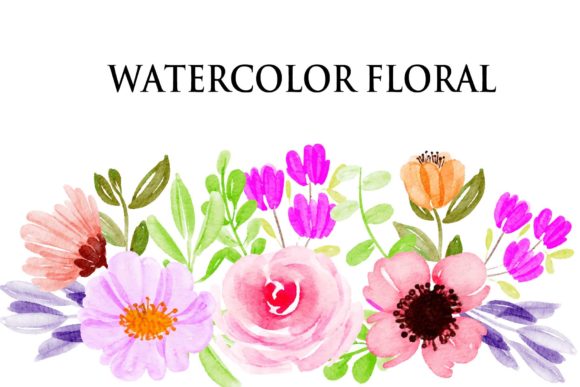
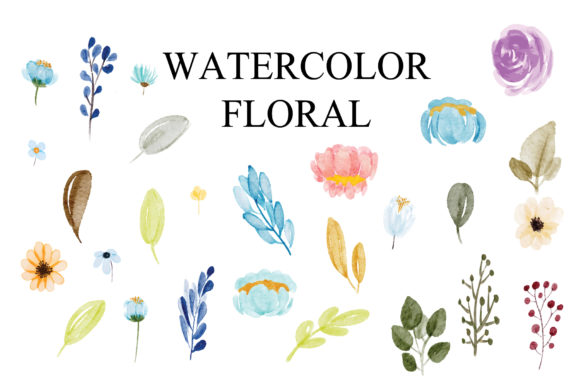
The moment I opened the Floral Aset Watercolor EPS, I was struck by its soft, organic feel. The watercolor style gives it an almost painterly quality—florals with gentle blends and subtle gradients, as if they were brushed onto the fabric rather than stitched into it. It’s not your typical digitized floral pattern; instead, it feels handcrafted, which immediately suggests it would work well on items like custom sweatshirts, tote bags, or nursery decor.
The layout is balanced and elegant, with flowing lines and open spaces that let the design breathe. This makes it especially appealing for larger hoop sizes where you can really showcase the detail without overcrowding. The theme is classic and timeless, so it's unlikely to date quickly, making it a solid choice for small shop products or Etsy sellers who want something both beautiful and marketable.
Visual Personality and Mood
This design exudes a sense of calm and sophistication. It’s ideal for projects aimed at a more mature or minimalist audience. Whether you're working on a personalized gift or a boutique branding piece, the Floral Aset Watercolor EPS brings a touch of refinement. The colors are muted and harmonious, fitting perfectly into holiday gifts or baby embroidery themes where subtlety is key.
Real-Life Application Scenarios
I used this design on a few different real-life embroidery projects to test its versatility and effectiveness. Here’s what stood out:
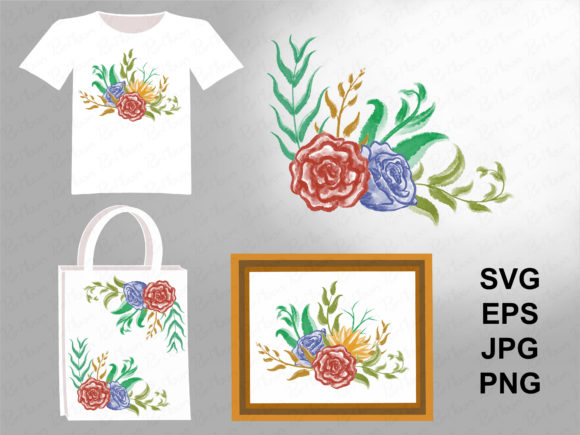
- Tote Bag Design: On a medium-weight cotton canvas, the watercolor effect came through beautifully. The flow of the florals matched the natural drape of the fabric, and the stitch density was just right—not too tight, not too loose. Customers loved the softness of the look when displayed as a printable mockup for an upcoming Etsy listing.
- Sweatshirt Embroidery: Stitched near the hemline using satin and fill stitches, the design added a decorative edge without overwhelming the garment. The color contrast was spot-on, even after several washes. Great for casual, customizable apparel.
- Baby Clothes: When applied to a onesie with a running stitch outline, the design looked delicate and charming. The lack of harsh outlines gave it a more artistic flair, which parents appreciated for personalized gifts.
- Pillow Covers: Used in a mix of satin and fill stitch techniques, the design brought a cozy, bohemian vibe to home décor. The visual depth from the shading worked well against linen and cotton blends.
Each time, the Floral Aset Watercolor EPS maintained its integrity and charm, proving itself adaptable to multiple surfaces and styles while keeping its visual personality intact.
Where to Use with Care
While the Floral Aset Watercolor EPS is impressive, it does have some limitations based on fabric and application type. Here are areas where you should take extra care:
- Small Hoop Sizes: The intricate details may get lost when scaled down. If you’re planning to use it on embroidered patches or tiny caps, consider simplifying or resizing thoughtfully.
- Textured Fabrics: The soft edges of the watercolor style don’t translate well to rough or uneven surfaces like denim or felt. These fabrics tend to emphasize stitch imperfections more than smooth knits or quilting cotton.
- Thin or Stretchy Fabric: The design has a fair amount of coverage, which could cause puckering or distortion if not properly stabilized. Always test on scrap material before committing to a finished product.
- Dark Backgrounds: While the design works on light-colored fabrics, it doesn’t pop quite as well on darker materials. You may need to adjust thread colors or add a white underlay to maintain visibility.
- Curved Surfaces: The linear nature of the design doesn’t adapt easily to curved areas like the front of a cap or a rounded pillow cover. Manual adjustments or seam placement can help, but expect a bit of trial and error.
Stitch Clarity and Detail
One thing I noticed was the level of detail in the petals and leaves. The EPS file handles these elements fairly well, but because it’s a watercolor illustration, the transitions between shades are done through stitch direction and density rather than solid fills. That means the final appearance depends heavily on your machine settings and fabric choice. For digital product previews, it adds character, but for high-volume commercial embroidery, consistency across batches is important.
Impact on Product Value and Branding
When used correctly, the Floral Aset Watercolor EPS can significantly boost the perceived value of a handmade product. Its unique aesthetic helps stand out in crowded markets like Etsy or craft fairs. As an embroidery file, it’s suitable for both personal and professional use, but always double-check licensing before selling finished items or digital assets.
For craft business owners, this design offers a great opportunity to create a cohesive line of products. Imagine adding it to tea towels, aprons, and custom apparel for a unified brand look. The watercolor style adds a sense of professionalism and creativity, which can build customer trust and increase buyer engagement.
Customer Reactions and Giftability
In testing this design on a sample batch of holiday embroidery gifts, I found that customers were drawn to the soft elegance of the pattern. It didn’t scream “holiday” in the traditional red-and-green way, but the gentle hues made it feel warm and inviting. Perfect for wedding gifts or boutique-style presents, the design helped each item feel special and handpicked.
Designer Notes for Best Results
If you’re considering using Floral Aset Watercolor EPS in your next project, here are a few tips I picked up along the way:
- Test on Scrap Fabric: Before stitching on a client's garment or a finished product, always run a test piece. This helps catch issues with fabric texture, thread tension, or stitch clarity early on.
- Check Thread Color Contrast: Make sure the thread colors complement the base fabric. Sometimes, even slight variations in lighting can change how the watercolor effect appears.
- Review Stitch Density: Because the design uses a lot of blending, adjusting stitch density can make a big difference in the final look. Too dense and it loses the watercolor softness; too sparse and it becomes flat.
- Confirm Hoop Size: The design is best suited for larger hoops. If you're planning to use it on smaller items, be prepared to scale and possibly simplify.
- Inspect Small Details: Look closely at the inner layers and shading. These are the elements that define the watercolor feel and require precision during stitching.
- Use Proper Stabilizer: Especially on thin or stretchy fabrics, a tear-away or cut-away stabilizer can prevent distortion and ensure clean lines.
- Black and White Mockups: Try converting the design to grayscale in your preview tools. This helps assess how the stitch directions and densities affect the overall image.
- Compare Light and Dark Fabrics: The same design can look dramatically different depending on the background. Always check how it looks on both ends of the spectrum.
- Licensing Check: If you plan to sell finished products or digital files, confirm the license terms. Not all illustrations are created equal when it comes to commercial use.
Final Thoughts on Practical Use
The Floral Aset Watercolor EPS isn’t just another pretty floral design—it’s a thoughtful illustration that translates well into embroidery when handled with care. It brings a fresh, artistic touch to everyday items and can elevate your handmade product lineup with minimal effort. However, it requires attention to detail, especially when scaling, stabilizing, and choosing thread colors.
For hobbyists and makers, this design is a welcome addition to any collection of design assets. For embroidery designers and commercial embroidery professionals, it’s a versatile option that can be adapted for a range of applications—from custom apparel to decorative accents. Just remember to treat it like the art it is, and give it the space and support it needs to shine.