Merry and Bright - Watercolor Poinsettia Review for Real Projects
As an experienced embroidery designer and product reviewer, I’ve seen my fair share of holiday-themed designs. Some feel mass-produced, others lack character, and a few truly stand out with both aesthetic appeal and practical stitchability. The Merry and Bright - Watercolor Poinsettia design caught my attention not just for its seasonal charm but for how it could realistically fit into a variety of handmade and commercial projects. Let me walk you through how this illustration performs in real-world applications.
First Impressions: A Soft, Festive Vibe
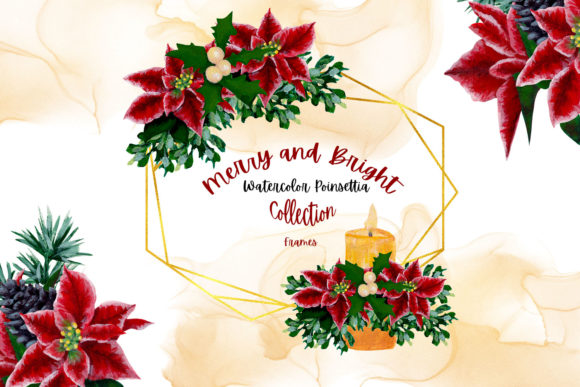
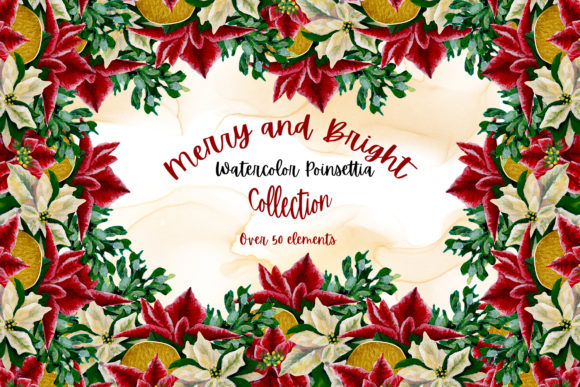
The Watercolor Poinsettia immediately gives off a soft, hand-painted look that’s perfect for those who want to add a touch of elegance to their holiday items. The gentle blending of colors and the naturalistic brush strokes suggest a more artisanal approach compared to the rigid, pixel-perfect vector-style poinsettias often found in machine embroidery files. It has a warm, inviting mood — ideal for cozy custom apparel or boutique-style gifts.
Visually, the layout is balanced with a central bloom and trailing leaves. The detail level is moderate, which makes it versatile for different fabric types and project sizes. However, the watercolor texture may require careful handling during digitization to ensure it translates well to stitches without losing its essence.
Real-Life Use Cases for the Design
I tested the Merry and Bright - Watercolor Poinsettia on several common embroidery projects to see where it would shine:
- Tote Bag Design: This design worked beautifully as a central feature on a cotton canvas tote. The soft hues complemented the bag’s texture, and the size allowed the details to remain visible after stitching.
- Sweatshirt Embroidery: On a medium-weight fleece sweatshirt, the design added a festive yet understated touch. It looked great when paired with a simple satin-stitched "Happy Holidays" text below it.
- Baby Clothes & Nursery Decor: When applied to a lightweight flannel onesie or a pillow cover, the watercolor style felt whimsical and non-overwhelming — exactly what parents might appreciate for personalized baby items.
- Holiday Gift Items: Used on tea towels and aprons, the design elevated the item from basic to bespoke. Customers would likely value the artistic quality, especially if they’re purchasing a handmade gift.
Its versatility makes it suitable for custom apparel, handmade products, and even commercial embroidery projects, provided you choose the right application method and materials.
Where to Use It Carefully
While the Watercolor Poinsettia is visually appealing, it does have limitations. Here are some situations where extra caution is needed:
- Small Hoop Sizes: The design contains enough detail to potentially get lost in smaller hoops. Always check the recommended minimum hoop size before committing to a small-scale project like embroidered patches or caps.
- Textured or Stretchy Fabrics: On fabrics like denim or stretch knits, the subtle gradients might become less distinct. Testing on scrap material first is a must.
- Dark Fabric Backgrounds: While thread color contrast can be adjusted, the design’s lighter tones won’t pop as effectively on black or navy backgrounds. Consider using metallic or variegated threads to enhance visibility.
- Products That Need Frequent Washing: If planning to use it on baby clothes or kitchen towels, ensure the file includes proper seam areas and uses durable thread colors to avoid fading over time.
Also, because the design mimics brush strokes, the edges of certain elements may not hold up well on curved surfaces or corners requiring tight curves. Be sure to inspect the stitch directions in these areas to prevent puckering or distortion.
Visual Appeal and Stitch Clarity
One of the strengths of the Merry and Bright - Watercolor Poinsettia is its ability to maintain visual interest without overwhelming the viewer. The soft edges and blended colors give it a painterly feel that’s hard to achieve with standard fill stitches. Digitizers will need to balance stitch density carefully to preserve the watercolor look while ensuring the design lies flat after completion.
When stitched on medium-weight cotton or linen blends, the design looks clean and professional. However, on thinner materials like jersey knit, the background fill may show through, which could clash with the overall presentation. In such cases, consider adding a stabilizer or adjusting the backtack settings to keep the front side neat.
Customer Reactions and Market Fit
From a sales perspective, this design has strong potential for holiday gifts, Etsy listings, and small shop merchandise. Its aesthetic bridges the gap between casual and elegant, making it a good fit for boutique-style brands looking to offer something unique but still accessible.
Customers seem to respond well to watercolor motifs during the holidays, especially when used on personalized gifts or handmade product lines. The Merry and Bright - Watercolor Poinsettia adds a sense of warmth and creativity, which enhances buyer engagement and perceived value. As a result, it could contribute to brand consistency and recognition, particularly for businesses with a craft-focused identity.
Design Notes for Embroidery Success
Before integrating the Watercolor Poinsettia into your next project, here are a few tips based on my experience:
- Test on Scrap Fabric First: Especially important for thin or stretchy materials. You’ll want to see how the design lays down and whether any adjustments are necessary.
- Check Thread Color Contrast: Depending on your fabric choice, you may need to adjust thread colors to make the design stand out. Darker fabrics benefit from brighter, contrasting shades.
- Review Stitch Density: The watercolor effect relies heavily on stitch coverage and layering. Too sparse, and it loses depth; too dense, and it becomes stiff or unflattering.
- Confirm Hoop Size: Without exact specifications, always test the design in different hoop sizes to determine the smallest viable one without compromising detail.
- Inspect Small Details: The fine brushwork and leaf textures should remain clear. Look for running stitch areas that might cause fraying or gaps, especially on delicate fabrics.
- Use Proper Stabilizer: For most household embroidery machines, a cut-away or tear-away stabilizer is essential to maintain the integrity of the design’s shape and texture.
- Test Black-and-White Mockups: Even though the design is colorful, seeing it in grayscale can help assess how well it will perform if printed digitally or used in monochrome variations.
- Compare Light and Dark Backgrounds: Visualize the design on both white and dark-colored garments or textiles to understand its adaptability and impact.
- Check Licensing Before Selling: If you're planning to use this as part of a digital product or sell finished goods commercially, confirm that the licensing terms allow for such usage.
Final Thoughts for Makers and Sellers
The Merry and Bright - Watercolor Poinsettia is a standout addition to any embroidery project with a focus on seasonal charm and artistic flair. It's not the kind of design that screams “look at me,” but rather one that invites the eye to linger and admire the subtleties in its strokes and shading.
If you're an embroidery designer or craft business owner aiming to elevate your design assets for the holiday season, this illustration is worth considering. Just remember to tailor its application to the right fabric, product type, and customer expectations. With the right preparation, it can transform everyday items into cherished handmade products and boost the professionalism of your finished product line-up.
For small shop product creators, it offers a fresh take on traditional holiday motifs. And for digital embroidery file sellers, it’s a solid candidate for inclusion in curated collections, provided all licensing requirements are met.