Ocean Wave Watercolor Illustration for Digital Sellers
As an experienced digital product creator who's launched hundreds of design assets across Etsy, print-on-demand platforms, and creative marketplaces, I know how crucial it is to choose illustrations that work well in a variety of formats and applications. When I first saw Ocean Wave - Watercolor Painting, I was immediately drawn to its soft textures and fluid motion. This illustration has a quiet elegance that speaks to both the handmade aesthetic and the commercial potential many sellers look for when building their digital product libraries.
First Impressions: Mood and Market Fit
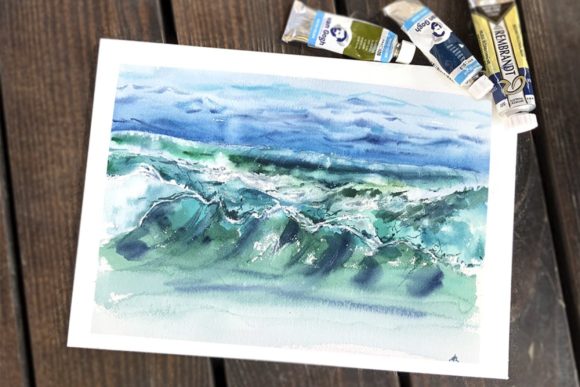
The Ocean Wave - Watercolor Painting evokes a sense of calm and natural beauty. It’s not loud or flashy—instead, it uses gentle gradients and flowing lines to create a soothing visual experience. This kind of mood appeals to buyers interested in mindfulness, wellness themes, coastal living, and even nautical-inspired branding. The watercolor technique adds a layer of authenticity and warmth, making it especially fitting for handmade businesses or those targeting a feminine, bohemian, or minimal audience.
Visually, the illustration feels like it belongs in a boutique-style shop rather than a mass-produced catalog. That said, it still maintains enough clarity and adaptability to be used in commercial contexts without losing its charm. It’s versatile but specific enough to stand out in a sea of generic stock graphics.
Product Use Cases: Where Ocean Wave Shines
One of the strengths of this illustration is its ability to scale and adapt. Here are some real-world scenarios where Ocean Wave - Watercolor Painting could be put to good use:
- Etsy Products: Think greeting cards, planner stickers, and printable wall art. Its organic feel complements hand-lettered quotes or minimalist layouts.
- Print-on-Demand Merchandise: The wave can serve as a subtle background on t-shirt designs, mug prints, and tote bag graphics. For a more premium look, consider using it as a central motif in a limited-color scheme.
- Cricut Projects: If you're into crafting, this illustration works well as part of a Cricut project, particularly in scrapbooking kits or decorative cutouts. Just ensure the SVG version includes clean cut paths for layered elements.
- Canva Templates: Pair it with soft pastel tones and serif fonts for blog headers, social media posts, or invitation templates. It brings a touch of sophistication to any layout.
- Sublimation Designs: The wave pattern translates nicely onto sublimation mugs, tumblers, and apparel, especially when paired with high-contrast text or bold accents.
- Digital Paper Packs: Ideal for creating themed bundles around summer, oceanic motifs, or beachy weddings. Layer it subtly behind journal prompts or bullet points for a cohesive look.
- Sticker Design Bundles: As a standalone sticker or part of a larger set, it looks great on planners, calendars, and DIY notebooks. Make sure to test PNG transparency if you plan to offer clear backgrounds.
Design Presentation and Marketplace Appeal
When preparing your online listings, the way you present Ocean Wave - Watercolor Painting matters. A strong thumbnail is essential for catching attention quickly on platforms like Etsy or Creative Fabrica. To maximize click-through rates, preview the asset on multiple mockups—white T-shirts, dark mugs, and light-toned tote bags—to see how it performs visually under different conditions.
For product mockups, try placing the illustration against a textured paper or linen backdrop to enhance the watercolor effect. In digital download shops, include a few sample applications such as a wall art layout or a social media graphic. These examples help buyers understand the illustration’s flexibility and can boost perceived value.
Also, think about brand consistency. If your business focuses on calming, nature-inspired products, this illustration fits right in. But if your brand leans towards maximalist or pop-art styles, it may need to be balanced with bolder elements.
Where to Use It Best
This illustration excels in large-format presentations. Whether it’s a printable wall art listing or a seasonal bundle featuring beach scenes, the watercolor style adds a premium, artisanal feel. It also works beautifully in themed bundles with complementary illustrations—like seashells, sunsets, or sand dunes—for a cohesive product line.
On creative marketplace listings, it helps create a consistent visual hierarchy. For example, using it as a background element in social media templates gives a fresh, seasonal appeal without overwhelming the content.
Where to Use It Carefully
Despite its versatility, there are limitations to keep in mind. The watercolor texture might lose detail in tiny sticker details, so it’s best suited for mid-sized to large visuals. Avoid using it in text-heavy templates unless you’re confident the contrast between the illustration and text will remain legible.
If you're working with Cricut or Silhouette projects, inspect the SVG file carefully. Some watercolor strokes may have overlapping layers or soft edges that don’t translate cleanly to physical cutting. Also, be cautious when applying it to low-resolution print products—the softness of the brushstrokes could become muddy or less defined.
Another thing to note: the illustration doesn’t hold up well on dark backgrounds due to low contrast. Test it on both light and dark surfaces before finalizing your product offerings. Similarly, avoid crowded thumbnails where it might get lost among other elements.
Practical Seller Tips Before Launching
Before publishing any listing that features Ocean Wave - Watercolor Painting, take these steps to ensure quality and usability:
- Test on Mockups: Apply the design to common products like mugs, shirts, and wall art to see how it looks in real-life context.
- Preview as a Thumbnail: Simulate how it appears on marketplace search pages. Is it noticeable? Does it convey the intended vibe?
- Check Background Transparency: If offering PNG versions, confirm that the transparent areas look clean and don’t bleed into surrounding elements.
- Inspect SVG Cut Quality: Especially important for die-cutting or engraving. Are the lines crisp and precise? Will they work for layered or stacked designs?
- Verify File Resolution: For printables, ensure the JPEG or PNG files are at least 300 DPI to prevent pixelation.
- Pair with Fonts: Experiment with serif, sans serif, script, and handwritten typefaces to find what harmonizes best with the illustration. A cursive script often enhances the watercolor feel.
- Confirm Commercial License: Always double-check the licensing terms before selling finished products. Some free assets come with restrictions, while others require attribution or payment for commercial use.
Final Thoughts for Digital Product Creators
The Ocean Wave - Watercolor Painting is a solid addition to your design arsenal if you're targeting niches like wellness, home décor, or seasonal merchandise. It brings a natural, artistic flair that can elevate your graphic design asset collections and help your illustrations stand out in competitive markets.
However, it's not a one-size-fits-all solution. Take time to evaluate how it behaves in various formats and pairings. Don’t rush to publish—test it thoroughly and make adjustments based on actual results. With the right approach, this illustration can contribute to a more professional and appealing product lineup, whether you're running a small business branding campaign or launching a new design bundle.
In short, it's a thoughtful and adaptable commercial design that deserves a place in your workflow—if it aligns with your brand identity and target audience.