Watercolor Animal Alphabet Clipart: A Versatile Illustration for Creative Sellers
As a digital product creator with years of experience selling on Etsy, Shopify, and creative marketplaces like Creative Fabrica, I’ve learned the value of high-quality graphic design assets that can adapt to multiple uses while maintaining visual appeal. Recently, I came across a set of Watercolor Animal Alphabet Clipart, and I wanted to take a closer look at how it might fit into my next collection of printable designs and merchandise graphics.
First Impressions: Soft, Playful, and Niche-Friendly
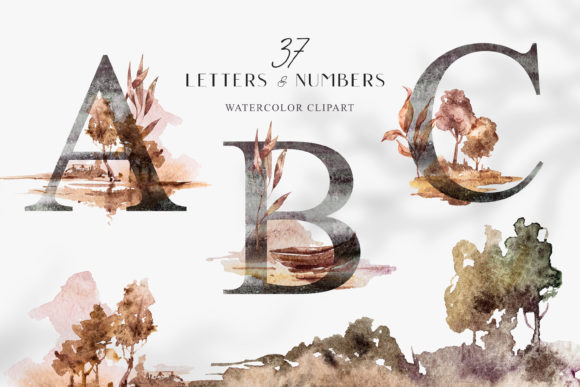
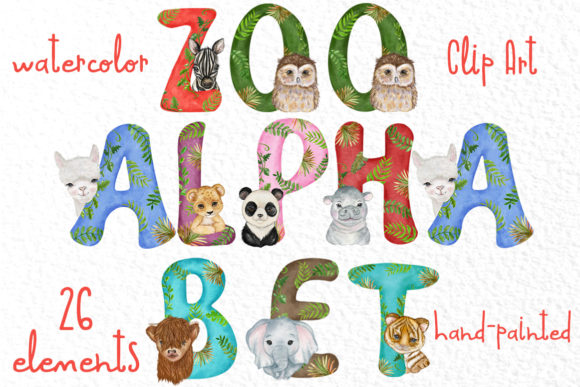
The Watercolor Animal Alphabet Clipart immediately caught my eye with its gentle color palette and hand-painted texture. It doesn’t scream for attention but instead invites curiosity—perfect for an audience looking for whimsical yet elegant illustrations. The style feels both handmade and professionally refined, which is a rare balance in digital clipart. This makes it especially appealing for small business branding or handmade businesses aiming to add personality to their products without overwhelming the viewer.
Visually, the illustrations have a soft, decorative edge. Each animal letter combination carries a unique charm, making them ideal for educational materials, kids' items, or even boutique-style print-on-demand collections. The mood is clearly playful and warm, suggesting it would resonate well with educators, parents, and creatives targeting children or nostalgic audiences.
Real-World Uses: From Merchandise to Digital Downloads
Let’s break down some practical applications where these illustrations could shine:
- SVG Products: Ideal for Cricut projects such as custom labels, scrapbooking elements, or wall art. The clean lines and soft shapes translate well into layered SVG files for easy cutting.
- PNG Designs: These work great for greeting cards, social media templates, and blog headers. PNGs with transparent backgrounds allow for seamless integration into various layouts.
- Clipart Bundles: Grouping the alphabet by theme (e.g., jungle animals, ocean creatures) could make for a compelling digital download. Buyers love themed bundles that offer flexibility and variety.
- Sublimation Designs: While watercolor textures may not be the best for every sublimation project, they can create a dreamy effect when printed on mugs, tumblers, or tote bags. Just ensure the colors are vibrant enough to show up against different fabric or ceramic bases.
- Printable Wall Art: The large size and soft aesthetic lend themselves well to nursery prints or home decor. They’re also perfect for resale as part of a curated design bundle.
- Planner Stickers: These could be used as fun accents in bullet journals or planners. Pair them with minimalist text or other subtle illustrations for a balanced look.
- T-Shirt Graphics: Best suited for childrenswear or unisex tees with a vintage or bohemian vibe. The watercolor feel adds a layer of sophistication to casual apparel.
- Mug Design: For a more artistic mug line, these illustrations can bring a touch of nature and learning into everyday use.
- Canva Templates: When incorporated into Canva templates for invitations or classroom posters, they elevate the overall visual quality and help maintain a cohesive brand identity.
- Scrapbooking Kits: Perfect for adding character to handmade pages or digital paper packs. Their softness contrasts nicely with bold fonts or solid patterns.
Where This Asset Excels
This graphic design asset is particularly strong in the following areas:
- Large Product Previews: The detailed brush strokes and pastel tones really come alive in bigger formats. Whether you're creating a poster or a banner, the illustrations add depth and interest.
- Themed Bundles: Consider grouping the alphabet by season or holiday—like “Winter Wildlife” or “Springtime Creatures.” Themed sets often sell better than generic ones.
- Decorative Layouts: If your shop leans towards handmade aesthetics or artisanal-style products, this clipart can be a valuable addition. Its organic feel supports visual storytelling and helps differentiate your offerings from mass-produced content.
- Printable Products: Especially useful for printables like flashcards, birthday cards, or baby shower invitations. The soft watercolor gives an air of quality and care.
- Merchandise Graphics: Tumbler wraps, stickers, and tote bag prints benefit from the illustration’s ability to blend playfulness with elegance.
- Social Media Promos: Use them in Instagram stories, Pinterest pins, or Facebook ads to give your promotional visuals a personal touch.
Where to Use with Caution
While versatile, there are certain scenarios where this clipart might not perform as expected:
- Tiny Sticker Details: The fine brushwork can become pixelated or lose clarity when scaled too small. Always test the smallest size before listing.
- Crowded Thumbnails: On platforms like Etsy, a cluttered thumbnail can hurt click-through rates. These illustrations work best when given space to breathe and highlighted as the focal point.
- Dark Backgrounds: Watercolor tends to fade against darker colors. Make sure to test each design on both light and dark backgrounds to maintain visibility.
- Low-Resolution Print Jobs: If the file resolution isn't optimal, printing on anything beyond standard quality could lead to blurry or washed-out results.
- Text-Heavy Templates: Avoid overloading the page with too much text. The watercolor style needs room to stand out and shouldn’t compete with dense typography.
Testing Before Selling: Key Checks for Every Creator
Before finalizing any product using Watercolor Animal Alphabet Clipart, I always run a few quick tests to ensure quality and usability:
- Mockup Previews: I place the designs on real-life mockups—mugs, shirts, notebooks—to see how they look in context. This helps gauge perceived value and customer appeal.
- Thumbnail Appeal: Resize the image to what an Etsy or Amazon thumbnail would show. Does it still pop? Is the message clear?
- Background Contrast: Test the clipart on white and dark backgrounds. Will it stand out without losing detail?
- Print Colors: Always check a physical print sample if possible. Digital screens can misrepresent hues, especially in watercolor tones.
- File Quality: Inspect the PNG transparency and SVG cut lines. Are the edges clean? Do the layers work as expected in design software?
- Font Pairing: Try pairing the clipart with different typefaces—a serif font for elegance, a script for whimsy, or a sans-serif for modernity. This helps determine the right tone for your brand.
- Commercial Licensing: Confirm whether the clipart allows commercial use. This is critical if you plan to resell finished products or include it in digital downloads.
Product Presentation Tips for Maximum Impact
When presenting these illustrations in your creative marketplace listings, consider the following strategies:
- Brand Consistency: Use the same color schemes or layout styles across your collection to reinforce your brand identity.
- Visual Hierarchy: Let the illustration guide the eye. Place the main animal-letter combo front and center, and use supporting elements sparingly.
- Customer Trust: Include close-up shots of the details, especially the brush strokes and textures. This shows customers they’re getting a premium commercial design.
- Click-Through Potential: Use bold, bright versions of the clipart in thumbnails to draw attention. Subtle variations can be used in body images for depth.
Final Thoughts: A Thoughtful Addition to Your Design Toolkit
Overall, Watercolor Animal Alphabet Clipart has a lot of potential for creators who want to add warmth and creativity to their product lineup. It’s not the kind of asset that will dominate a minimalist design, but it can subtly enhance a range of digital and physical products when used thoughtfully.
For those working in illustrations or running a handmade business, this clipart offers a fresh angle for building themed collections, educational tools, or seasonal promos. However, it’s important to approach it with a clear understanding of its strengths and limitations. Testing it on actual products, checking file quality, and ensuring licensing rights are all necessary steps before publishing.
If you’re considering adding this to your next digital product or printable design set, I recommend starting with one or two high-impact applications—like a nursery print or a Cricut project—and expanding from there. With the right strategy, this graphic design asset can help you build a more professional and appealing online product collection.