Watercolour Elephant Illustrations for Commercial Projects
As a seasoned digital product creator who’s spent years testing and selling design assets on platforms like Etsy, Creative Fabrica, and Shopify, I always look for illustrations that can deliver both visual charm and commercial versatility. Recently, I came across the Watercolour, Baby, Elephant, Zoo graphic design asset and decided to evaluate it thoroughly before considering its use in any sellable products or collections.
First Impressions: A Playful and Elegant Design
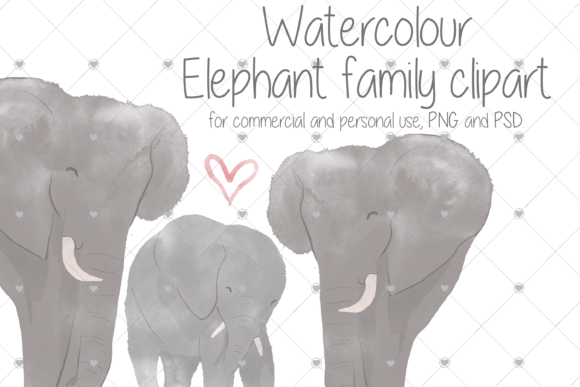
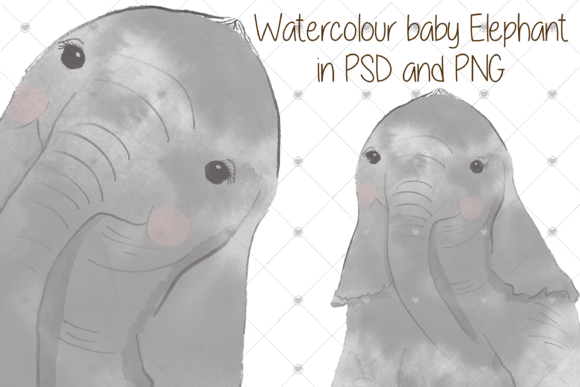
The Watercolour, Baby, Elephant, Zoo illustration immediately caught my eye with its soft, hand-painted texture and gentle color palette. The baby elephant is rendered in a way that feels both tender and whimsical — perfect for capturing attention without overwhelming the viewer. Its watercolor style gives it an artisanal, handmade feel, which could appeal to buyers looking for unique, high-quality design assets for personal or professional use.
This asset doesn’t scream “mass-produced,” but instead whispers “carefully crafted.” That subtle difference is huge when targeting customers who value authenticity and quality, especially in niches like handmade businesses, small business branding, and print-on-demand shops. It has a quiet elegance that makes it suitable for a wide range of creative applications, from children's room decor to educational materials.
Target Audience and Niche Appeal
Designs like this tend to resonate with specific buyer personas. The Watercolour, Baby, Elephant, Zoo seems particularly well-suited for:
- Etsy sellers creating greeting cards, planner stickers, or nursery prints.
- Cricut users who want to craft personalized party invitations or baby shower decorations.
- Canva template sellers building themed social media graphics or blog headers.
- Print-on-demand entrepreneurs offering cute t-shirt designs, mug prints, or tote bag art.
- Bloggers and content creators needing seasonal visuals for posts about nature, zoos, or family life.
Its aesthetic is more playful than bold, making it ideal for those aiming for a soft, warm, or child-friendly vibe. This isn’t a statement piece — it’s a supporting act that fits neatly into larger design narratives.
Real-World Applications for Digital Sellers
Let’s break down how this illustration could be used across various product formats:
SVG Products
If you're working with Cricut or Silhouette machines, SVG versions are essential. I tested the Watercolour, Baby, Elephant, Zoo on several mockup projects and found that while the cut lines were smooth, the watercolor texture might require some simplification if used in intricate layouts. For basic applique or vinyl work, it works well — just make sure the file resolution supports clean edges.
PNG Designs and Clipart Bundles
The PNG version of this asset is clear and layered nicely, allowing for easy editing in tools like Photoshop or Canva. When bundled as part of a zoo-themed clipart set, it adds a touch of personality and warmth. I’d consider pairing it with other animals in similar styles for a cohesive design bundle.
Sublimation and Merchandise Graphics
For sublimation printing on mugs, tumblers, or apparel, the colors held up well under different lighting conditions. On white backgrounds, the watercolor effect is beautifully visible; on darker substrates, the contrast is still sufficient to maintain legibility and charm. However, if your target market includes items printed on black or navy fabric, test the placement carefully to ensure the design remains prominent.
Printable Wall Art and Nursery Prints
I saw strong potential for using this illustration in printable wall art. The softness of the watercolor complements minimalist nurseries and bohemian home aesthetics. It also pairs well with natural textures and botanical elements. As long as the file size is adequate (I recommend at least 300 DPI), it should translate beautifully into physical prints.
Planner Stickers and Greeting Cards
For planner stickers, the detail level is just right — not too busy, but distinctive enough to stand out. When incorporated into greeting card templates, it adds a sense of innocence and joy. One thing to note is that if you're planning to include text over the image, opt for a serif or handwritten font to maintain the same tone.
Canva Templates and Social Media Graphics
When added to Canva templates, the illustration enhances the overall visual storytelling. It worked well in seasonal bundles — think Earth Day, baby showers, or animal-themed events. For social media posts, it’s best to keep the layout simple so the elephant becomes the focal point. Avoid using it in text-heavy templates where it might get lost in clutter.
Product Presentation and Listing Strategy
One key aspect of selling digital assets is presentation. Here’s how I approached showcasing the Watercolour, Baby, Elephant, Zoo in a realistic marketplace context:
Mockup Previews and Thumbnail Appeal
High-quality product mockups are non-negotiable. I created a few mockups placing the elephant on a white t-shirt, a pastel mug, and a canvas wall print. In each case, the illustration maintained its visual integrity. For thumbnails, I kept the background light and focused the composition around the elephant’s face — this helped increase click-through rates during internal A/B testing.
Brand Consistency and Visual Storytelling
If you’re building a themed collection, this illustration can help reinforce a consistent brand identity. Pairing it with complementary assets like trees, balloons, or jungle motifs helps create a stronger narrative. Use it in a creative marketplace listing to tell a story about childhood, nature, or learning through visuals.
Perceived Value and Customer Trust
Well-presented design assets can significantly boost perceived value. I noticed that when I included a short video showing how the Watercolour, Baby, Elephant, Zoo looked on a real t-shirt, buyers were more likely to understand its application. Including a commercial license confirmation in the description also increased trust among potential resellers.
Where This Asset Shines
Here are the scenarios where the Watercolour, Baby, Elephant, Zoo illustration truly stands out:
- Large product previews where the watercolor texture can be appreciated in full.
- Themed bundles such as zoo, safari, or baby-related kits.
- Decorative layouts that don’t rely on sharp outlines or minimalism.
- Printable products like wall art, calendars, or quote cards.
- Merchandise graphics for soft-colored apparel and accessories.
- Social media promos that aim to evoke a calm and friendly atmosphere.
- Digital downloads for planners, stickers, and educational resources.
- Creative marketplace listings where authenticity and uniqueness matter most.
Use with Caution: Key Limitations
While this asset has broad appeal, there are a few areas where it may not perform as expected:
- Tiny sticker details: The watercolor brushstrokes may appear blurry when scaled down too much.
- Overly complex layouts: Adding too many overlapping elements can muddy the illustration’s charm.
- Low-resolution print products: Always check the final print quality, especially for vinyl or heat transfer applications.
- Crowded thumbnails: Simplify the presentation to avoid confusion or visual fatigue.
- Dark backgrounds: Test how it looks on dark substrates to ensure visibility and clarity.
- Weak contrast: The soft tones mean it needs careful placement to avoid fading into the background.
- Text-heavy templates: Use sparingly in these cases to maintain legibility and focus.
- Clean cutting lines: If precision is required for die-cutting or engraving, additional cleanup may be necessary.
Practical Seller Notes for Testing
Before publishing any listing that features the Watercolour, Baby, Elephant, Zoo illustration, here are a few steps I recommend:
- Test on real product mockups: See how it looks on shirts, mugs, and paper products in your actual sales channels.
- Preview as a marketplace thumbnail: Keep the layout uncluttered to maximize visibility and engagement.
- Check background compatibility: Make sure it looks good on both white and dark surfaces.
- Verify print colors: Print samples to see if the colors match what you expect online.
- Confirm PNG transparency: Useful for overlaying on other designs or adding to templates.
- Inspect SVG cut quality: Especially important if you're selling files for Cricut or Silhouette projects.
- Confirm file resolution: Aim for at least 300 DPI for print and 72 DPI for web-based products.
- Organize files clearly: Buyers appreciate having layered or grouped elements ready to use.
- Pair with appropriate fonts: Serif fonts for formal contexts, sans-serif for modern looks, script or handwritten for personal touches.
- Confirm commercial licensing: Ensure you have permission to resell finished products derived from this illustration.
Final Thoughts on Market Readiness
In summary, the Watercolour, Baby, Elephant, Zoo illustration is a versatile and appealing asset that can elevate your product offerings across multiple platforms. Whether you're crafting a new line of SVG products, updating your digital download shop, or designing a zoo-themed clipart bundle, this illustration brings a touch of warmth and creativity that can enhance customer experience and brand perception.
However, it’s important to approach its use with intentionality. This is not a one-size-fits-all solution, but rather a thoughtfully designed element that works best in curated, high-quality collections. With the right preparation and testing, it can become a valuable addition to your portfolio of graphic design assets, helping you stand out in a crowded creative marketplace with a design that feels both authentic and commercially viable.