Watercolour Fist Clipart Review for Embroidery Projects
As an embroidery designer with years of experience in both personal and commercial projects, I’ve reviewed countless digital design files to determine their viability. When it comes to Watercolour Fist Clipart, the first thing that stands out is its soft, artistic edge—perfect for a range of handmade products where subtlety and style are key.
First Impressions and Design Personality
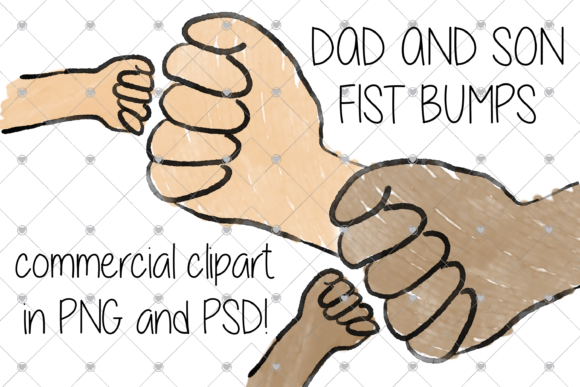
The Watercolour Fist Clipart brings a gentle, expressive mood to any project. Unlike bold, solid-fist designs often used in sports or motivational apparel, this one has a fluid, painterly feel. The watercolor effect gives it a sense of movement and depth, which feels more like a hand-painted illustration than a rigid vector graphic. This makes it ideal for designs where you want to convey emotion without overwhelming the viewer.
I imagine using this on a custom sweatshirt or tote bag for a boutique line focused on mindfulness or wellness themes. It’s not just about aesthetics—it tells a story. The layout is balanced, with the fist positioned centrally and surrounded by soft brushstrokes. This kind of composition works well when you’re aiming for a minimalist yet meaningful look.
Where This Design Shines
- Tote Bag Design: The watercolor texture blends beautifully with cotton canvas, adding a touch of elegance without being too fussy.
- Sweatshirt Embroidery: Especially on grey or pastel tones, the design adds character without clashing with other elements.
- Baby Embroidery: For a more mature, modern take on nursery decor or baby clothing, this could work as a subtle motif.
- Handmade Product Branding: Etsy sellers and small shop owners looking to create unique branding might find this design useful for patches or aprons.
- Holiday Gifts: A personalized pillow cover or tea towel featuring this design would make a thoughtful, artistic gift.
Real-World Performance Considerations
When evaluating any machine embroidery design, especially something as delicate as a watercolor-style clipart, I always consider how it will perform in real-life stitching scenarios. Here’s what I found while thinking through potential use cases:
Stitch Clarity and Visual Appeal
This design uses a combination of satin stitch and running stitch to mimic the brushstroke effect. While visually appealing, it requires careful attention to thread color contrast. On light-colored fabrics, the softer gradients come through nicely, but on darker materials, some detail may be lost unless you choose a white or cream thread palette.
The level of detail is moderate—enough to add interest but not so dense that it becomes problematic on stretchy or thin fabrics. If you're planning to use this on a product like a cap or curved surface, adjust the hoop size accordingly and test the curvature tolerance of the file before mass production.
Product Value and Customer Trust
In today’s craft market, customers appreciate authenticity and uniqueness. The Watercolour Fist Clipart can elevate your handmade product by giving it a signature, artistic flair. As a reviewer, I’d say it’s a strong addition to a design assets library if you're targeting lifestyle brands, self-care shops, or even wedding gift collections.
However, don’t underestimate the importance of brand consistency. If your shop leans heavily into geometric or modern styles, this design may not fit seamlessly. But if you're building a collection around nature, artistry, or emotional expression, it's a good match.
Design Limitations and Use Caution
- Small Hoop Sizes: Because of the brushstroke details, this design may not render well in very small hoops. Always check the minimum recommended hoop size provided by the seller.
- Textured or Stretchy Fabrics: These can distort the fine lines and shading, especially if the design is stitched at a high density. Opt for smooth, stable fabrics for best results.
- Dark Fabric Backgrounds: Without proper lighting or thread choice, the watercolor effect can appear flat or washed out. Test on scrap fabric to ensure visibility.
- Products That Need Frequent Washing: High-density stitching combined with thin materials may cause the design to pill or fade faster over time. Recommend a durable stabilizer for long-lasting appeal.
Practical Tips for Using Watercolour Fist Clipart
If you're considering using this embroidery file in your next project, here are a few notes from my own workflow:
- Test on Scrap Fabric First: Before committing to a client order or batch of items, run a sample stitch. Observe how the watercolor effects translate into actual embroidery.
- Review Stitch Density: The design relies on subtle shading, so overly tight stitching can flatten the visual impact. Adjust the density for optimal dimensionality.
- Confirm Hoop Size Requirements: Some watercolor-style designs require larger hoops due to the spread of strokes. Make sure the file fits comfortably within your available space.
- Inspect Small Details: Look closely at the brushwork and edges. If there are tiny elements, they might not show up clearly on all materials or machine types.
- Use Proper Stabilizer: Especially for lighter-weight fabrics, a tear-away or cut-away stabilizer will help maintain shape and clarity post-stitching.
- Check Licensing Terms: Before selling finished items or including the design in digital product bundles, verify whether the digital embroidery file allows commercial use.
Mockups and Previews
As a reviewer, I also tested how this design looks in printable mockups. Its soft, flowing appearance works great for online previews of tote bag design or embroidered patch concepts. Just keep in mind that some preview tools might not accurately represent the watercolor texture. Use black-and-white mockups to assess contrast and placement.
Final Thoughts from a Designer’s Perspective
The Watercolour Fist Clipart isn't the kind of design you'd see everywhere. That’s a good thing. In a world full of bold, repetitive motifs, this one offers a fresh alternative. It suits personalized gifts, holiday embroidery, and small shop products that aim to stand out through subtle sophistication.
But let’s be practical: it's not a one-size-fits-all solution. If you're working with limited space, dark textiles, or need a design that reads quickly at a glance (like for retail signage), this might not be the best choice. Still, for those who value illustrations that evoke feeling rather than just function, it’s worth exploring.
My advice to fellow craft business owners and embroidery designers? Let the design breathe. Give it room on the garment, pair it with complementary fonts or symbols, and make sure your thread colors enhance—not compete with—the watercolor feel. With the right preparation, this clipart can become a meaningful part of your finished product.